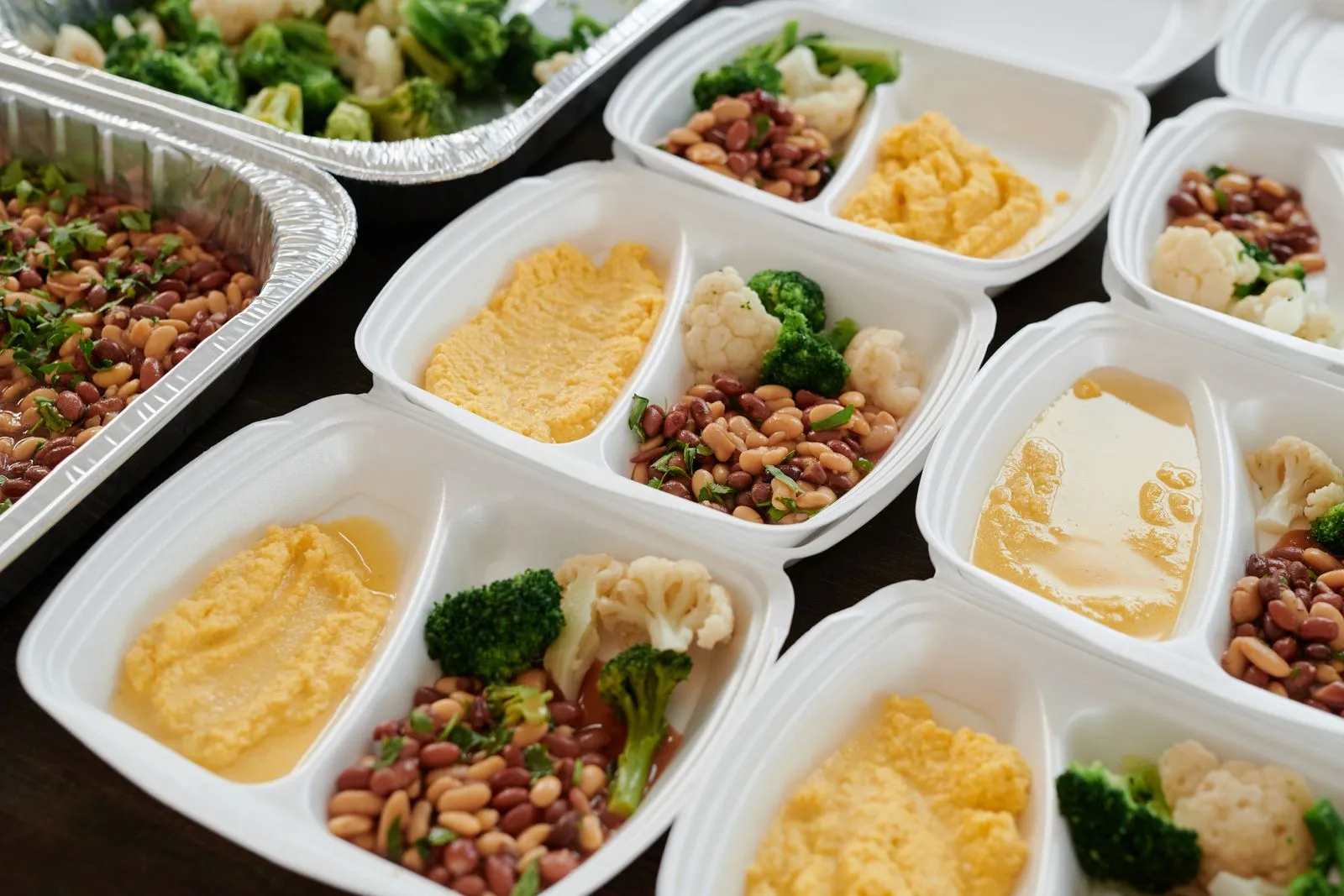
Food allergies can make meal planning feel like a puzzle, especially when a familiar source of protein, dairy, grains, or nuts is off the menu. A balanced meal is still possible: start with foods you know are safe, then combine a protein, an energy-giving carbohydrate, produce, and a suitable source of fat. Your best choices depend on your specific allergies, nutrition needs, and medical guidance. A few repeatable planning habits can make everyday meals easier and more varied.
Start With Foods You Know Are Safe
Make a personal list of ingredients and products you can eat safely, based on your allergy plan and advice from your healthcare team. Include reliable brands if formulations or manufacturing practices matter for your situation. Keep the list handy when shopping and planning meals, and update it when a product changes or you learn something new.
Build meals from these trusted foods rather than trying to replace every allergen-containing product with a packaged substitute. For example, choose a safe protein such as beans, lentils, meat, fish, eggs, or tofu only if it suits your allergies. Pair it with a familiar grain or starchy vegetable, then add produce and a safe fat.
Use A Flexible Meal Formula
A simple plate guide can help you check whether a meal feels satisfying: include a protein, a carbohydrate for energy, and fruits or vegetables for color and variety. Add a source of fat that is safe for you, such as an appropriate oil, avocado, or seeds if those are tolerated. The exact mix can vary with appetite, activity, age, and health needs.
Think in components, not strict recipes. A safe grain bowl, for instance, can combine rice, roasted vegetables, and a suitable protein, with a dressing made from ingredients you have checked. If one component is unavailable, swap only that part. This keeps meal planning flexible without making you start over each time.
Check Labels And Prevent Cross-Contact
Read ingredient labels every time you buy a packaged food, even if you have used it before. Ingredients and allergen warnings can change. Follow the label-reading guidance for your particular allergy, and contact the manufacturer if you need information that the package does not provide. Avoid a product when you cannot confirm that it is safe for you.
At home, reduce cross-contact by washing hands, cleaning food-preparation surfaces and utensils, and keeping safe ingredients separate from allergen-containing foods. Use clean equipment and serving tools, especially when sharing a kitchen. Follow your clinician’s advice and written allergy action plan; do not rely on cooking to make an allergen safe.
Plan For Variety And Nutrition
Avoiding a food group can narrow your sources of important nutrients, but suitable alternatives may help. Depending on your allergy, options might include fortified beverages, different protein foods, or other calcium- or vitamin-rich choices. Check product labels carefully, since substitutes can contain other allergens or differ nutritionally from the foods they replace.
Plan a few safe meals for busy days and keep the ingredients on hand. Rotate among tolerated vegetables, fruits, grains, and proteins so your menu does not depend on a single substitute. If you are cutting out several foods, have growth concerns, or struggle to meet your needs, ask a registered dietitian familiar with food allergies to tailor a plan.
Balanced eating with food allergies starts with your own safe-food list, then builds meals from flexible components. Careful label checks and kitchen habits help protect that plan, while variety supports a broader range of nutrients. If restrictions make it hard to plan meals, Brighton Allergy Nutrition can help you explore options suited to your needs.