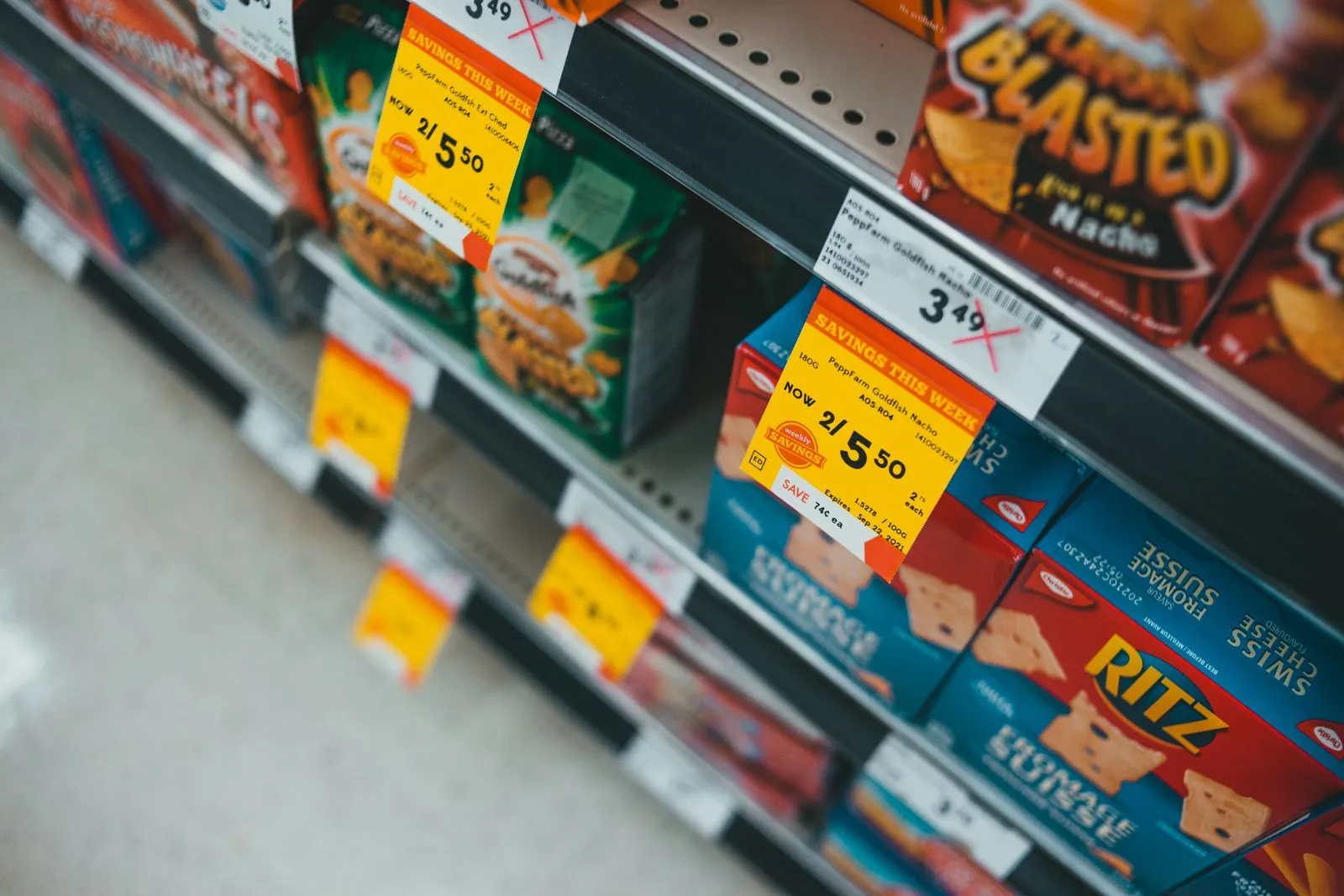
Reading a food label can feel like a tiny detective job: scan the ingredients, check for allergen callouts, then make sense of any warnings. A steady routine makes it easier to compare products and catch details that matter. Start by identifying the specific ingredient you need to avoid, including its alternate names, and check every package each time you buy it. Recipes and manufacturing practices can change, so a familiar product still deserves a fresh look.
Start With the Ingredient List
Read the full ingredient list, not just the product name or front-of-package claims. Look for your allergen and names it may appear under. For example, milk can show up as whey, casein, or milk powder. The names you need to watch for depend on your allergy, so ask your allergist or dietitian for a personalized list rather than relying on a general online chart.
Check ingredients every time, even when you have purchased the product before. Manufacturers may change a recipe, supplier, or production process. If the print is small, use your phone’s magnifier or choose a package with a readable label. When an ingredient is vague or unfamiliar, contact the manufacturer for details before eating it.
Check Allergen Statements
Look for a separate allergen statement, often placed near the ingredient list. It may say that the food contains a particular allergen or identify an allergen in a sub-ingredient. Treat this statement as an important part of the label, but still read the ingredients: the statement does not replace a complete review of what is in the product.
Packaged-food labeling rules vary by country and product type, and some foods may not carry the same kind of allergen declaration. If you are traveling or buying an imported product, do not assume the wording or format matches labels you know. Check the full label and seek reliable, product-specific information when anything is unclear.
Understand Precautionary Warnings
Phrases such as “may contain” or “made in a facility that also processes” are precautionary warnings. They indicate a possible cross-contact risk, but they do not tell you exactly how likely exposure is. If you have a severe allergy or are unsure how to interpret a warning, follow the plan you made with your allergy care team.
Do not treat the absence of a precautionary warning as proof that cross-contact cannot happen. If the ingredients appear safe but the product’s manufacturing details are uncertain, contact the company and ask about its controls for your allergen. Keep the product name and package details handy so you can ask about the exact item.
Make a Repeatable Shopping Routine
Use the same sequence for each product: check the package, read the full ingredient list, review the allergen statement, then consider any precautionary warning. Compare the exact versions you might buy, since flavors, sizes, or brands can use different ingredients. A saved list of products you have checked can help, but it should be a reminder—not a substitute for reading the current package.
For foods without a complete label, such as items from a bakery counter or restaurant, ask about ingredients and cross-contact directly. Be specific about the allergen and explain that even small amounts may matter for you. If staff cannot confirm what is in the food or how it is prepared, choose another option that fits your allergy plan.
A consistent label-checking routine can make shopping feel more manageable: read the full ingredients, review allergen statements, and take precautionary warnings seriously. When a label leaves questions, pause and get product-specific guidance rather than guessing. For help building an allergy-aware food plan, Brighton Allergy Nutrition can discuss practical next steps with you.